| Sustainability
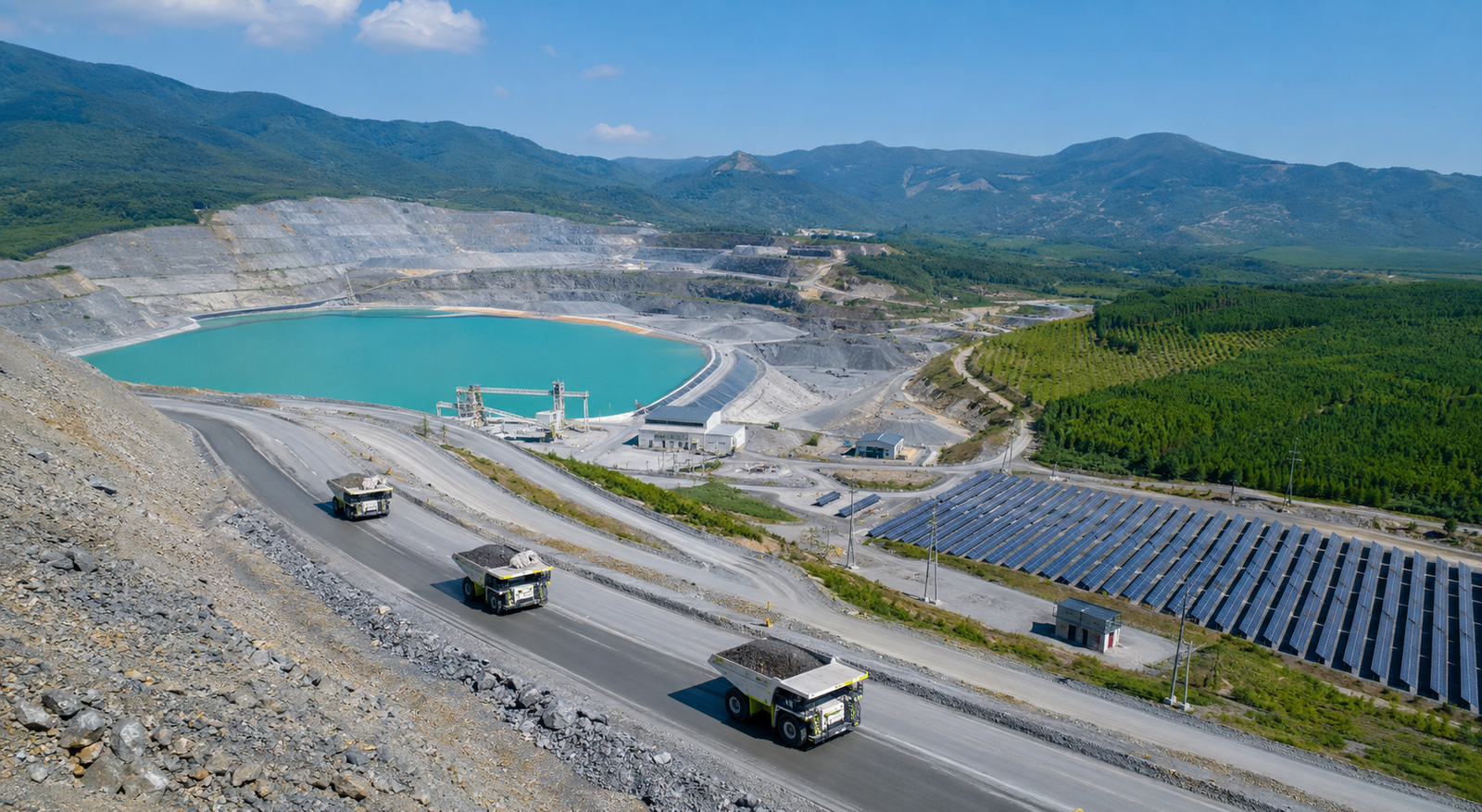
The mining industry is undergoing a fundamental transformation as environmental responsibility moves from regulatory compliance to competitive advantage. Modern sustainable mining practices are proving that environmental stewardship and operational efficiency can work hand in hand to create value for all stakeholders.
The Evolution of Sustainable Mining
Sustainable mining has evolved far beyond basic environmental compliance. Today's leading mining operations integrate environmental considerations into every aspect of their business, from initial site selection through closure and post-mining land use. This holistic approach recognizes that long-term business success depends on maintaining the health of the ecosystems and communities where mining operations are located.
The shift toward sustainability has been driven by multiple factors, including stricter environmental regulations, increased investor focus on ESG (Environmental, Social, and Governance) criteria, and growing consumer demand for responsibly sourced materials. Companies that embrace sustainable practices are finding that they not only reduce environmental impact but also improve operational efficiency and reduce long-term costs.
Water Management and Conservation
Water is one of the most critical resources in mining operations, and sustainable water management has become a key focus area. Modern mining operations are implementing closed-loop water systems that minimize freshwater consumption and eliminate discharge of contaminated water into natural water bodies.
Advanced water treatment technologies now allow mining companies to:
- Recycle and reuse up to 95% of processed water
- Remove contaminants to levels below natural background concentrations
- Convert mine water into potable water for local communities
- Implement real-time monitoring systems for water quality
- Develop constructed wetlands for natural water treatment
Energy Efficiency and Renewable Power
The mining industry is one of the largest consumers of energy globally, making energy efficiency and renewable power adoption critical components of sustainable operations. Leading mining companies are investing heavily in renewable energy infrastructure, with many operations now powered entirely by solar, wind, or hydroelectric power.
Energy efficiency improvements include the use of electric vehicles for material transport, implementation of smart grid systems for optimal power distribution, and adoption of energy-efficient processing equipment. These improvements not only reduce environmental impact but also provide significant cost savings over the long term.
Biodiversity Conservation and Ecosystem Restoration
Modern sustainable mining operations recognize that they are temporary stewards of the land and have a responsibility to protect and restore ecosystems. This involves comprehensive biodiversity assessments before mining begins, implementation of measures to protect sensitive species and habitats during operations, and extensive restoration efforts following mine closure.
Innovative approaches to biodiversity conservation include:
- Creation of wildlife corridors to maintain ecosystem connectivity
- Translocation of rare plant species to protected areas
- Development of artificial habitats for displaced wildlife
- Implementation of seasonal restrictions to protect breeding cycles
- Collaboration with conservation organizations and research institutions
Waste Minimization and Circular Economy Principles
Sustainable mining operations are increasingly adopting circular economy principles, viewing waste materials as potential resources rather than disposal problems. This approach involves finding beneficial uses for mining waste, reducing the overall environmental footprint of operations, and creating additional revenue streams.
Examples of waste minimization and circular economy applications include using tailings for construction materials, converting waste rock into aggregate for road construction, and recovering valuable metals from historical waste dumps. These practices not only reduce environmental impact but also improve the overall economics of mining operations.
Community Engagement and Social Responsibility
Sustainable mining extends beyond environmental considerations to include social responsibility and community engagement. Leading mining companies recognize that their operations must provide lasting benefits to local communities and contribute to regional economic development.
Effective community engagement programs include:
- Local hiring and training programs
- Support for local businesses and suppliers
- Investment in community infrastructure and services
- Transparent communication about operations and impacts
- Collaborative planning for post-mining land use
Technology and Innovation in Sustainable Mining
Advanced technologies are playing an increasingly important role in making mining operations more sustainable. Artificial intelligence and machine learning are being used to optimize extraction processes, reduce energy consumption, and minimize environmental impact. Autonomous vehicles and remote-controlled equipment reduce the need for human presence in hazardous areas while improving operational efficiency.
Sensor networks and IoT provide real-time monitoring of environmental conditions, allowing for immediate response to any issues that arise. Predictive analytics help identify potential problems before they occur, enabling proactive rather than reactive management approaches.
Measuring and Reporting Sustainability Performance
Effective sustainability programs require robust measurement and reporting systems. Leading mining companies are adopting standardized sustainability reporting frameworks such as the Global Reporting Initiative (GRI) and the Sustainability Accounting Standards Board (SASB) standards to ensure transparency and accountability.
Key performance indicators for sustainable mining include carbon footprint reduction, water consumption efficiency, waste diversion rates, biodiversity impact assessments, and community development metrics. Regular third-party audits and certifications provide independent verification of sustainability performance.
The Business Case for Sustainable Mining
While sustainable mining practices require significant upfront investment, they provide substantial long-term benefits. These include reduced regulatory risk, improved access to capital from ESG-focused investors, enhanced reputation and social license to operate, and often significant cost savings through improved efficiency and waste reduction.
Companies that lead in sustainability are also better positioned to attract and retain top talent, as employees increasingly seek to work for organizations that align with their values. This competitive advantage in human resources translates into improved innovation and operational performance.